
A lot of buzzwords are thrown around on social media about Morgan Horses – performance, English, park, sport, western, endurance, show horse, performance prospect, saddleseat, driving, etc. Some of these are pretty well understood by some, others not very well by anyone, and quite a lot of energy is put into proving a horse is or is not a type that has not been clearly defined by the claimant in the first place.
So, what are all these disciplines, really? What can a Morgan do? While we Morgan people might say “everything”, I am writing this blog for people who might not be as versed in Morgans as a breed as others are. I’m also going to attempt to refrain from waxing on about each individual discipline in each category, but forgive me, I may about the categories in which I am well versed 🙂 If you are looking for more information on a particular discipline, I highly encourage you to do a Google search and read up!
I’m also going to take a pause to point out, you can have a multi-disciplinary horse. Your Park horse may have a Sport future; your Endurance gelding might also love Cutting! Perhaps your Combined Driving horse also enjoys Working Equitation – with a Morgan horse, multiple careers, even at the same time, are reasonably common.
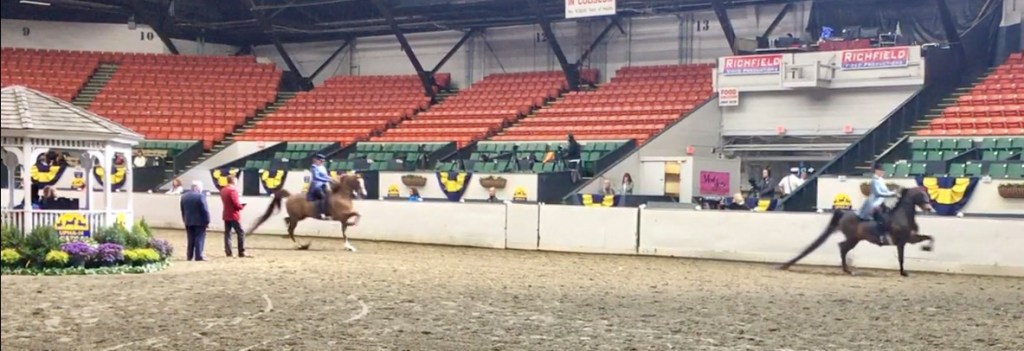
Morgans are commonly seen in the public eye as performing in Main Ring, or Rail Class, or Show Horse Disciplines – or even, for many who ride them, English Classes. Bear with me, I know it’s a broad label, but working on grouping into categories we can break down further. For the uninitiated, Show Horse Disciplines involve high stepping horses and beautiful formal suits on their riders. Note that in England, Show Horse is quite a different category so this label only works when describing classes on this side of the pond (for now). Show Horse Disciplines, more formally, are designed to show off the high action and extravagant gaits of certain breeds, including but not limited to Morgans, Saddlebreds, and Arabians.
Show Horse Disciplines are historically derived from two sources; plantation riding in America, where a smooth and high stepping mount was preferred, as it was comfortable enough for hours of plantation riding but fancy enough to look smart while riding around town; and literal park riding in England, where riders would show off their fanciest and highest stepping mounts in the city parks.
Show Horse Disciplines under saddle include: Park Saddle, English Pleasure, Classic (or Country) Pleasure, Saddleseat Equitation, Hunter Pleasure, and Hunter Hack. I will also include Side Saddle under this label because although it is less common, it is done sometimes with Morgan horses at all breed shows, and fits the historical category of “fancy park riding.”
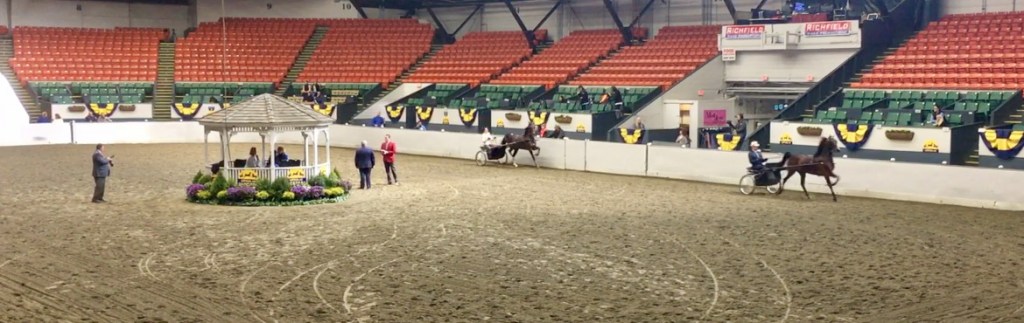
Show Horse Disciplines under harness include: Carriage Driving, Pleasure Driving, Classic Pleasure Driving, Park Harness, Road Hack, and Roadster.

Western Disciplines, are mostly competitions showing off a horse’s ability to work on a ranch, and is what we call Working Western. The more popular Western discipline for Morgans, however, is Western Pleasure, and the associated Parade type classes which use very fancy, often silver bedecked Western tack and Western Pleasure style of motion. Western Pleasure evaluates the horses for their manners under saddle, a calm and responsive disposition, and their suitability for a relaxed, slow gait cadence when moving. A young horse showing ability for the frame desired in Western Disciplines, a lower neck set and a naturally smooth gait, for example, is said to be a Performance Prospect.
There is a growing number of Morgan fans who are interested in the Working Western side of Western disciplines, and are competing against stock breeds (quarter horses, appaloosas, paint horses, etc) to show the suitability of our breed for working cattle, managing a ranch, and braving the unknown.
Western Disciplines include: Cutting, Roping, Team Penning, Ranch Sorting, Ranch Riding, Reining, Western Pleasure and Parade Classes.

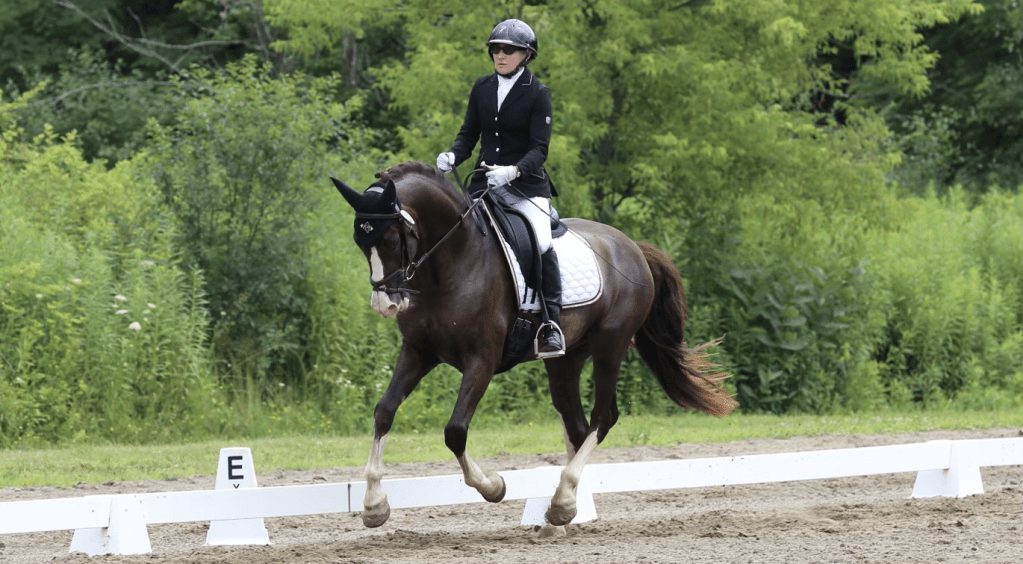
Sport Disciplines are a complicated group, not because they’re not clear and defined, as they are, but because the label is misleading and confusing. Riding horses IS a sport, so by that concept ALL disciplines are sport disciplines, but Sport as a group of disciplines has been clearly defined by discipline-defining-people (not me).
The trouble with the label “Sport” and “Morgans” is that Sport has been used as a “cover all” label for Morgans who work in non-main-ring and less-understood-western disciplines. This is confusing and misleading, as it implies that many more disciplines are Sport than are actually considered Sport by the rest of the horse world outside of Morgans (and sometimes it turns people away from our breed, because it appears that the breed does not understand what Sport entails). A sport horse is a type, not a breed or a single discpline, but the term is applied to horses bred and used for the traditionally Olympic equestrian sporting events of dressage, eventing, show jumping, and combined driving. In America, we also consider hunt seat and show hunters (hunter jumpers), and western dressage, to be sport horse athletes. Horses used for saddle seat, western riding disciplines except for dressage, racing, or endurance riding, are not generally described as sport horses.
Dressage complicates Sport because there are generally three types of commonly known dressage – traditional dressage like what is done in the Olympics, which has levels and musical freestyle and cool stuff like that, western dressage which is a lot like traditional dressage only done in western tack with a different set of movements (but it is not hard to cross over a horse from one to the other, as they are quite similar), and classical dressage, also known as haute ecole, or high school, which is what the Lippizzan horses of Vienna do with the rearing and kicking supremely elegant war horse moves. Classical Haute Ecole dressage is not considered a Sport Discipline.
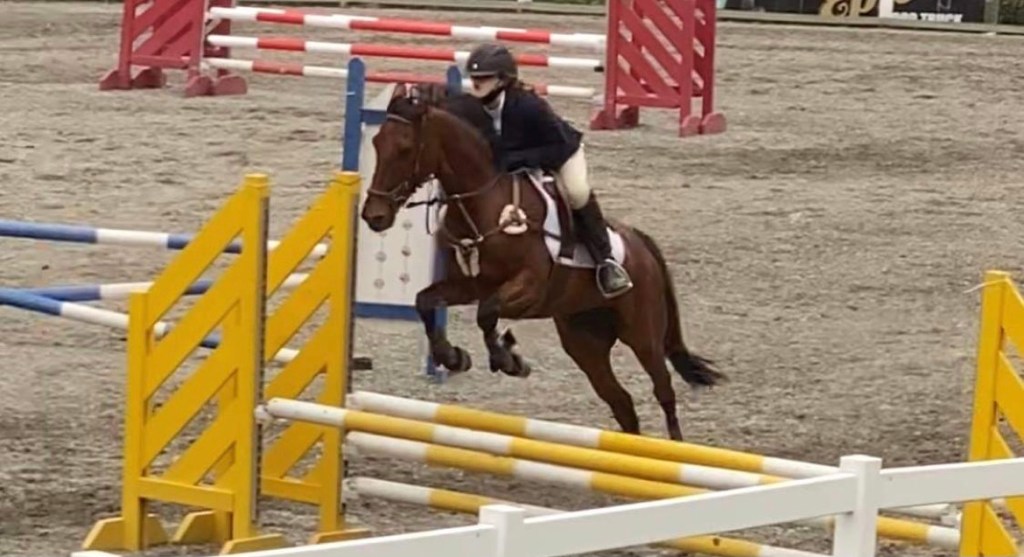
Sport Disciplines: Dressage, Western Dressage Eventing, Show Jumping, Hunter Jumping, and Combined Driving.
*
Long Distance Riding Disciplines include Endurance, Hunter Paces, Competitive Trail Riding, and Limited Distance Riding. Simply, Long Distance Disciplines are horse riding on controlled, long-distance races. They can be any distance and can take multiple days to accomplish. Some include various sorts of obstacles, and scheduled veterinary exams to ensure the health and safety of the horse.
*
There is a category of emerging discplines which I am going to call Western Classical Crossover, including Cowboy Dressage and Working Equitation.
Cowboy Dressage is not the same as Western Dressage, which confused the heck out of me, so I would assume confuses other people as well. It is instead the blending of the best of Western riding and classical dressage, more tailored to the western conformation and tack specifically, where western dressage is more the adaptation of traditional dressage for western equipment.
Working Equitation is also a misunderstood discipline. YouTube videos show magnificent Lusitanos in Spain galloping over what looks like a western trail class course, moving and handling things in a way that many of us did in childhood gymkhanas, while also performing hairpin turns and magnificent feats of strength, flexibility, and intelligence. Working Equitation was actually created to showcase the skills developed worldwide to work cattle and ranch chores, and it has four phases: working dressage, ease of handling with obstacles, speed with obstacles, and cattle handling.

 The Modern Morgan